In 2025, the Bachelor of Business Administration remains one of the most versatile and career-focused undergraduate degrees. Its adaptability to changing business trends, practical learning approach, and wide application across industries make it a go-to choice for students after the 12th.
Choosing your major isn’t something you wait until the final year to decide. Today, many universities offer domain-specific BBA specialisation courses right from the first or second year, ensuring students are not just employable but industry-ready by the time they graduate.
From emerging industries to established sectors, the right BBA specialisation courses can shape a future-ready career.
The Changing Landscape of Business Careers
The business world is being reshaped by artificial intelligence, global connectivity, automation, and data. Companies are no longer hiring generalists—they want domain experts who can bring both business knowledge and specialised insight.
As a result, BBA specialisation options have become more relevant than ever. Whether it's managing global supply chains, building employer brands, or analysing market data, the need for focused business education is growing fast.
Top BBA Specialisation Options to Consider in 2025
Whether you're passionate about finance, fascinated by logistics, or driven by creativity, BBA has a path for you. Here are the top specialisations that are shaping the future of business education:
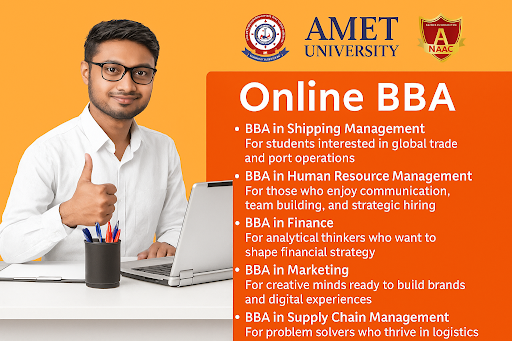
- BBA in Shipping Management – For students interested in global trade and port operations
- BBA in Human Resource Management – For those who enjoy communication, team building, and strategic hiring
- BBA in Finance – For analytical thinkers who want to shape financial strategy
- BBA in Marketing – For creative minds ready to build brands and digital experiences
- BBA in Supply Chain Management – For problem solvers who thrive in logistics and operations
Let’s explore each in more detail.
BBA in Shipping Management
India is emerging as a maritime power, and its logistics ecosystem—from ports to shipping hubs—is expanding rapidly. A BBA in Shipping Management gives students insight into international trade, shipping laws, marine insurance, and port operations.
Skills You’ll Gain
-
Logistics Coordination
You’ll learn to manage the movement of goods through multiple modes of transport, including sea, air, and land. This includes tracking shipments, solving routing issues, and ensuring goods reach their destination on time.
-
Documentation & Compliance
You'll develop a clear understanding of the various documents used in shipping, like bills of lading, commercial invoices, and packing lists. You’ll also learn how to ensure compliance with national and international maritime trade laws.
-
Global Trade Operations
This skill focuses on how goods are traded across borders, from managing currency exchange risks to understanding customs duties. You’ll also explore global economic regulations and trade agreements.
-
Communication in Supply Chains
You’ll be trained to work with multiple stakeholders like port officials, shipping agents, customs officers, and international clients. Clear and timely communication becomes essential for seamless operations.
Core Subjects
-
International Trade & Shipping
Introduces you to import-export operations, trade finance, shipping routes, and the structure of global trade markets. You'll also explore containerisation and global supply chain connectivity.
-
Maritime Law & Insurance
This subject teaches legal frameworks specific to marine transport. You'll study topics like cargo claims, liabilities, insurance policies, and dispute resolution in shipping contracts.
-
Port & Terminal Management
Learn how ports operate, manage cargo efficiently, and deal with port security, infrastructure, and scheduling. This subject builds managerial skills in maritime settings.
-
Logistics & Supply Chain Management
Covers procurement, inventory flow, warehousing, and last-mile delivery strategies. It provides the operational backbone for a career in logistics or supply chain.
Career Roles
-
Port Operations Executive
Responsible for managing day-to-day port activities including loading, unloading, and ship berthing. This role also requires coordinating with customs and handling safety protocols.
-
Freight Forwarding Officer
Works with logistics providers to arrange and track shipments across countries. You'll be involved in cost estimation, route planning, and document handling.
-
Logistics Coordinator
Ensures goods move efficiently from suppliers to customers. You’ll work with teams to schedule deliveries, resolve delays, and maintain real-time tracking.
-
Shipping Documentation Specialist
Handles essential trade paperwork to ensure that shipments meet customs regulations. Precision and knowledge of legal requirements are key in this role.
BBA in Human Resource Management
Human Resource professionals today manage much more than hiring. With the rise of remote work, digital collaboration, and employee wellbeing, the HR function is more strategic than ever.
Skills You’ll Gain
-
Talent Management
Learn how to attract, retain, and develop the right talent for an organisation. This involves creating job descriptions, managing employee onboarding, and planning career growth paths.
-
Workforce Planning
You’ll understand how to forecast employee requirements based on business growth, seasonal demand, and attrition trends. This skill helps align staffing with strategic goals.
-
Employee Relations
Develop the ability to handle workplace grievances, build trust, and create a positive company culture. You’ll also learn how to balance business policies with employee welfare.
-
HR Technology & Analytics
Get hands-on with digital HR tools like HRIS and performance tracking software. You’ll also learn how to interpret employee data to improve retention and productivity.
Core Subjects
-
Organisational Behaviour
Explore what motivates employees, how teams work, and the psychology of leadership. This subject lays the foundation for effective people management.
-
Recruitment & Selection
Learn the entire hiring process—from sourcing candidates to conducting interviews and onboarding. It also includes training in applicant tracking systems and assessment tools.
-
Labour Laws & Ethics
Understand employment contracts, workplace rights, compensation regulations, and ethical considerations. These laws ensure businesses stay compliant and protect employee rights.
-
Training & Development
Teaches how to assess skill gaps, plan training sessions, and evaluate employee performance. You’ll also explore learning management systems and e-learning tools.
Career Roles
-
HR Executive
Supports recruitment, employee engagement, payroll, and HR operations. This is often the first step into a broader HR career.
-
Talent Acquisition Specialist
Focuses on sourcing, screening, and hiring the right candidates for various roles. You'll work closely with department heads to understand hiring needs.
-
Training & Development Coordinator
Plans and implements training programs to improve employee skills. This includes working with trainers, evaluating effectiveness, and supporting upskilling efforts.
-
HR Analyst
Uses data to track HR trends, evaluate policies, and optimise workforce planning. This role blends HR knowledge with analytical thinking.
BBA in Finance
As fintech companies, startups, and global firms expand in India, the demand for professionals who can manage finances, evaluate investments, and ensure compliance is soaring.
Skills You’ll Gain
-
Financial Analysis
You’ll learn to assess business performance using income statements, balance sheets, and key ratios. This enables you to make informed recommendations for budgeting, investments, and cost control.
-
Investment Evaluation
Gain the ability to evaluate stocks, bonds, and mutual funds using risk-return analysis. You'll also understand how global market conditions impact portfolio decisions.
-
Risk & Compliance Management
Understand financial regulations, audit processes, and how companies manage regulatory risks. This skill is crucial for ensuring legal and ethical financial operations.
-
Budgeting & Forecasting
Learn how to create short- and long-term budgets, estimate future revenues and expenses, and align financial planning with business goals.
Core Subjects
-
Corporate Finance
Focuses on capital structure, working capital management, and financing decisions. You'll study how companies raise and allocate funds efficiently.
-
Investment Management
Teaches asset valuation, portfolio construction, and security analysis. You'll explore tools used by wealth managers and institutional investors.
-
Banking & Insurance
Covers banking operations, risk assessment, and types of insurance products. It helps build a foundational understanding of the financial services sector.
-
Financial Accounting
Involves preparing financial statements and understanding accounting principles. You'll also explore the role of accounting in business transparency and control.
Career Roles
-
Financial Analyst
Works with data to forecast financial performance, track KPIs, and evaluate investment opportunities. Often employed in corporate strategy or investment firms.
-
Audit Assistant
Assists in internal and external audit processes, helping ensure compliance with laws and standards. You'll verify records, assess risks, and prepare audit reports.
-
Credit Analyst
Evaluates an individual’s or organisation’s creditworthiness using financial data and reports. Often found in banks, NBFCs, and lending institutions.
-
Tax Consultant
Advises businesses or individuals on tax-saving strategies, return filing, and regulatory updates. Involves a deep understanding of tax law and planning.
BBA in Marketing
Today’s marketing isn’t just about ads—it’s about storytelling, digital channels, data, and brand experiences. A BBA marketing specialisation equips students to manage modern campaigns across platforms.
Skills You’ll Gain
-
Brand Strategy Development
Learn how to define a brand’s identity, create consistent messaging, and manage its perception across platforms. You'll work on positioning brands to appeal to target audiences.
-
Digital Marketing Execution
Understand how to search, social, and email campaigns using tools like Google Ads and Meta Business Suite. You'll also track results using analytics dashboards.
-
Market Research & Consumer Insights
Develop skills to gather and interpret data about consumer preferences, buying behaviour, and market trends. This helps in making product and pricing decisions.
-
Creative Storytelling
Learn how to convert marketing goals into compelling content through copywriting, visuals, and campaign planning. Storytelling is at the heart of brand recall and engagement.
Core Subjects
-
Marketing Management
Provides a comprehensive overview of the 4Ps—Product, Price, Place, and Promotion—and how they influence strategy. It's the backbone of every marketing effort.
-
Consumer Behaviour
Analyses how psychological, social, and cultural factors influence buying decisions. Helps tailor marketing messages more effectively.
-
Digital Marketing
Covers SEO, social media marketing, influencer strategies, and performance metrics. You'll learn how to grow brand presence in digital ecosystems.
-
Advertising & Promotion Management
Focusses on creative development, media planning, budgeting, and ROI measurement for advertising campaigns.
Career Roles
-
Marketing Executive
Supports campaign planning, market research, vendor coordination, and reporting. This is often an entry-level role in marketing teams.
-
Social Media Manager
Manages a brand’s online voice and community. Plans content calendars, responds to users, and monitors engagement metrics.
-
Market Research Analyst
Collects and analyses data to help brands understand competitors and customer needs. This role is essential for product development and positioning.
-
Brand Strategist
Crafts long-term branding strategies and messaging. Works closely with creative and product teams to ensure consistent brand voice.
BBA in Supply Chain Management
Efficient supply chains became mission-critical in recent years, and companies now invest heavily in logistics and inventory management. This specialisation focuses on the flow of goods, services, and data.
Skills You’ll Gain
-
Process Optimisation
Learn how to analyse business operations and identify inefficiencies. Apply techniques to reduce delays, improve resource allocation, and cut costs.
-
Inventory Control Techniques
Understand the science behind ordering, stocking, and replenishment. Learn to prevent overstocking or shortages using forecasting and data-driven tools.
-
Vendor & Procurement Management
Develop skills in selecting reliable suppliers, negotiating contracts, and ensuring timely deliveries. You’ll also manage vendor performance metrics.
-
Tech-Enabled Logistics Planning
Gain hands-on knowledge of enterprise tools like ERP, SAP, and logistics software. Learn how tech enhances visibility, accuracy, and decision-making in logistics.
Core Subjects
-
Operations Management
Covers design, execution, and monitoring of business processes. Focuses on improving efficiency in both manufacturing and service industries.
-
Procurement & Sourcing
Introduces strategic sourcing, global supplier management, and cost negotiations. Understand how purchasing decisions affect business performance.
-
Inventory & Warehouse Management
Teaches best practices in storage, space planning, safety, and real-time inventory tracking. Vital for reducing operational disruptions.
-
Supply Chain Analytics & Technology
Focuses on using data to make smarter logistics decisions. Includes predictive analytics, route planning, and demand forecasting tools.
Career Roles
-
Operations Manager
Oversees day-to-day supply chain operations, ensures KPIs are met, and drives process improvement initiatives.
-
Procurement Analyst
Works with vendor data to optimise sourcing costs and contract performance. May also assist in procurement planning and compliance audits.
-
Logistics Coordinator
Manages order fulfillment, transportation schedules, and delivery tracking. Coordinates with multiple stakeholders to ensure timely execution.
-
Warehouse Supervisor
Handles on-ground inventory, staff supervision, and layout planning. Ensures safety, productivity, and minimal losses in storage operations.
Ideal for students who enjoy strategy, operations, and working with systems that keep businesses running smoothly.
Choosing the Right Major for You
The best specialisation is the one that aligns with your interests and strengths. If you enjoy analysing data, consider finance or supply chain. If you're a people person, HR might be your match. Creative? Marketing is your zone.
Also consider:
- Industry trends – What sectors are hiring and growing?
- Future stability – Which roles offer long-term relevance?
- Your learning style – Do you like people, numbers, or systems?
Talk to mentors, research job descriptions, and choose a major that reflects who you are—and who you want to become.
Conclusion
A BBA in 2025 is no longer just a stepping stone—it’s a launchpad. With the right specialisation, you’re not just earning a degree—you're building domain expertise that makes you employable, adaptable, and future-ready.
Take time to explore your strengths, read about industry trends, and choose a path that aligns with your long-term goals. Because when you choose the right major, you're not just picking a subject—you're designing your future.
FAQs
If you’re interested in creative work and also want to understand market dynamics, marketing could be a great choice. It allows you to explore branding, advertising, content creation, and customer engagement strategies.
Some universities allow you to change your major within the first year, depending on their curriculum structure. It’s best to check the academic policy or consult your program advisor before making the switch.
Start by assessing your strengths—do you enjoy working with numbers, managing people, or solving operational problems? Explore course outlines, speak to seniors or mentors, and look at job roles that excite you.
Yes, many of the concepts in finance, operations, and HR are directly relevant in public sector exams and roles. Understanding business fundamentals can also help in preparing for competitive exams like UPSC or banking services.
In today’s market, employers value candidates who have both broad business knowledge and domain-specific skills. A focused degree shows you've invested time in building expertise, giving you a competitive edge.


